Every job below is one we do ourselves across Inglewood.
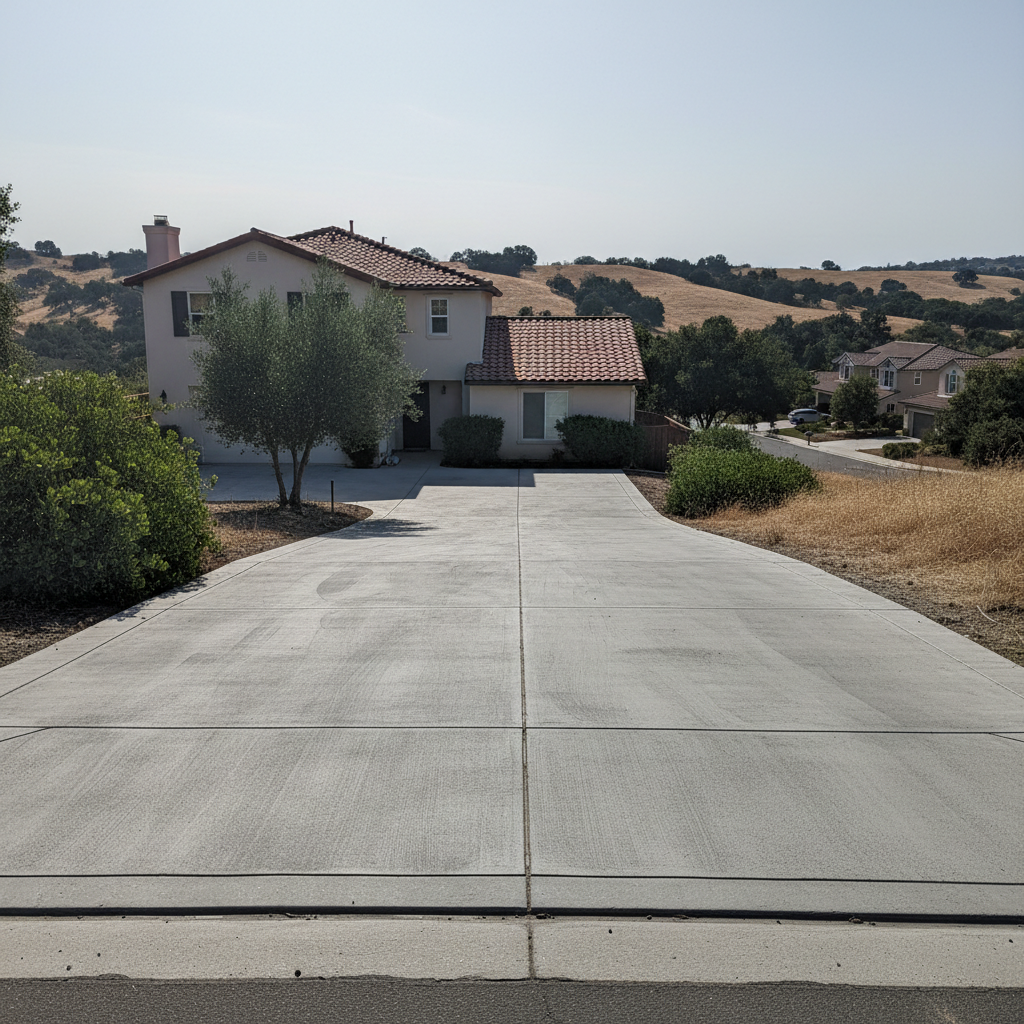
We excavate, compact a gravel base and form the driveway to the slope your property needs so water runs off instead of toward your garage. Most residential driveways get rebar on 18 to 24 inch centers and a broom finish for traction. We saw-cut control joints the same day, before the slab decides where to crack on its own.
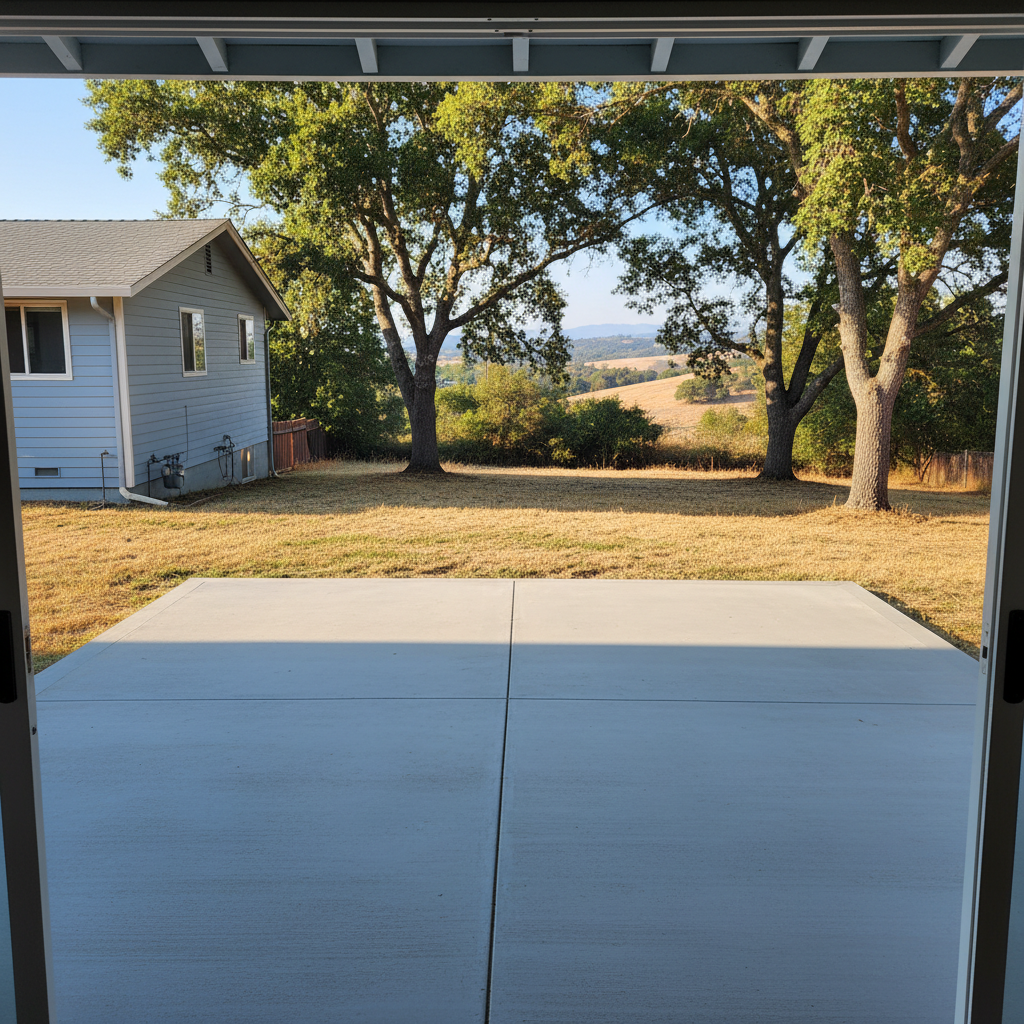
Patios take less structural load than a driveway, but drainage matters just as much. We slope the pour away from the house, usually a quarter inch per foot, so water doesn't sit against the foundation. Broom, salt, or exposed aggregate finish, your call.
Stamped concrete gets you the look of flagstone, brick or slate at a lower cost, and without joints wide enough for weeds to take hold. We color it integrally or with a release agent, then seal it once it's cured. It still requires the same base and joint work as plain concrete underneath, the stamping is only the top half inch.
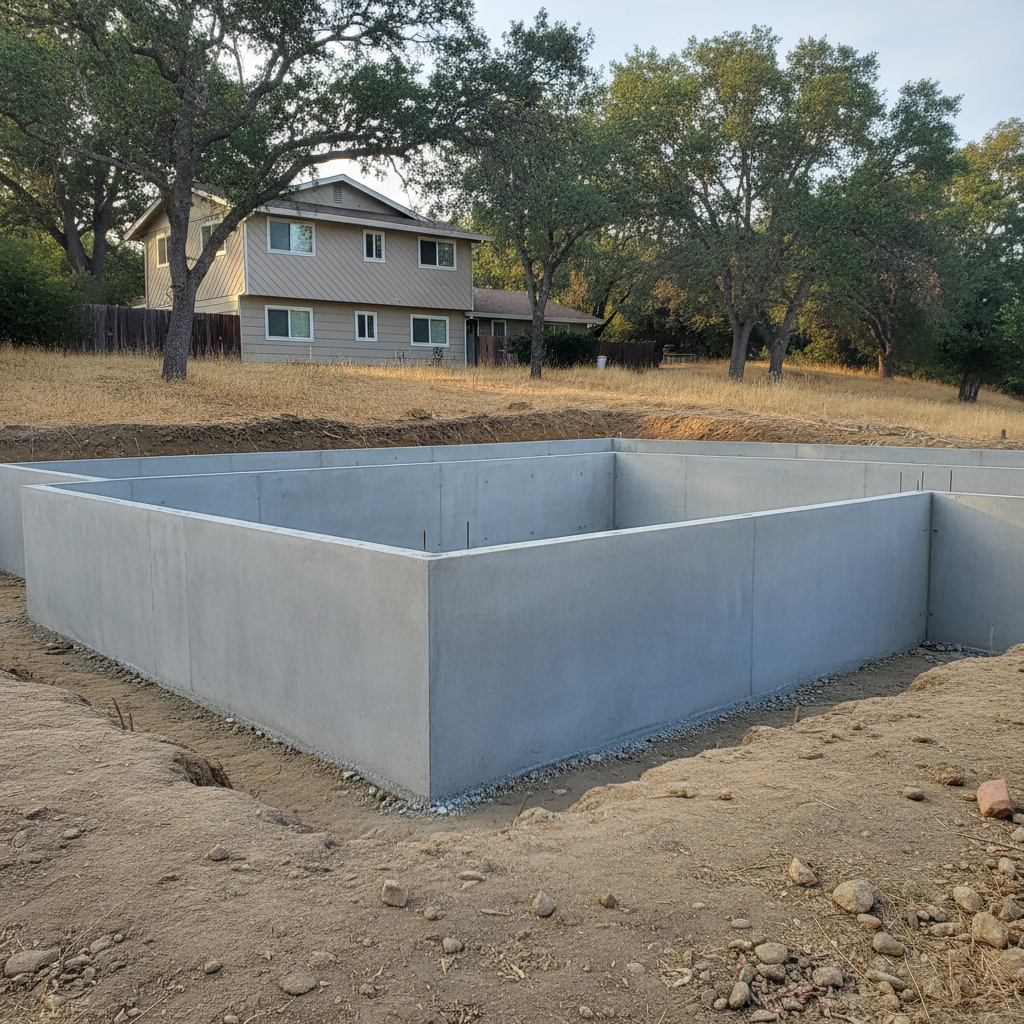
We pour slab foundations for additions, sheds and small structures, typically 4 inches thick for light loads and more for anything load-bearing. A vapor barrier goes down first in most cases to keep ground moisture from migrating up through the slab. We check that forms are square and level before anything gets poured, there's no fixing that afterward.
Not every cracked or sunken slab has to come out. Pop-outs, surface scaling and hairline cracks usually get patched or resurfaced. A slab that's settled more than an inch or so, or heaving from a tree root, is a different job, and we'll tell you straight if replacement is the better money.
Walkways get the same base prep as a driveway, just narrower, 4 inches of compacted gravel minimum. Tree roots are the most common reason a walkway heaves later, so we'll flag any nearby roots before we pour. Expansion joints go in anywhere the walkway meets a driveway, porch or the house itself.
Steps and porch slabs take a beating, foot traffic, weather, and in a lot of cases they're tied into the house structurally. We form and pour to code rise and run so the steps aren't a trip hazard, and we tie new porch slabs into existing footings where that's required.
If a slab is structurally sound but the surface is pitted, discolored or scaling, resurfacing is usually cheaper than a tear-out. We grind or pressure wash the old surface, then apply a bonded overlay about a quarter to a half inch thick. It won't fix a slab that's cracked through or settling, that calls for repair or replacement instead.
Smaller concrete retaining walls, the kind holding back a planter bed or a sloped side yard, are something we form and pour on site. Anything taller than about four feet requires engineering and a permit, and we'll tell you when that's the case instead of just pouring it anyway.
Pool decks need a broom or textured finish so they're not slick when wet, and they slope away from the pool, not toward it. We set expansion joints around the pool coping so the deck can move independently of the pool shell. Standing water next to a pool is usually a sign the deck was poured flat instead of pitched.
Four steps, and no surprises in any of them.
You tell us what you want doing, we look at what is actually there, and we ask the awkward questions early.
In writing, itemised, free. If something might add cost later we flag it now rather than at the end.
Same crew throughout. We cover your floors, keep the dust down and tidy up before we leave each day.
You point out anything you are not happy with and we fix it before the invoice, not after.
Available throughout Inglewood and the greater South Bay.
Questions that come up once a project's underway.
Describe the problem and we will tell you what it probably is. No obligation.